

I’ll be the first to admit it—for a long time, “Agri-Tech” felt like something only giant industrial farms could afford. We’ve been hearing about “Big Data” for years, but most of us were just left staring at confusing dashboards and expensive sensors that didn’t always pay off.
But as we move through 2026, the conversation has changed. We aren’t asking “What can this tech do?” anymore. We’re asking, “How does this help my crop survive this summer?”
This year is all about Resilience. With climate patterns becoming more unpredictable, technology has shifted from being a “luxury” to a survival toolkit. Here is what is actually moving the needle on farms right now:
- AI that Actually Talks to You
We’ve moved past simple charts. New Gen-AI tools are acting like digital co-pilots. Instead of looking at a soil moisture map, you can now literally ask your phone, “Should I turn on the HTP pump for the south field today?” and it will give you a “Yes” or “No” based on local pest alerts and weather forecasts. It’s making expert knowledge accessible to everyone. - The “Human-in-the-Loop” Robotics
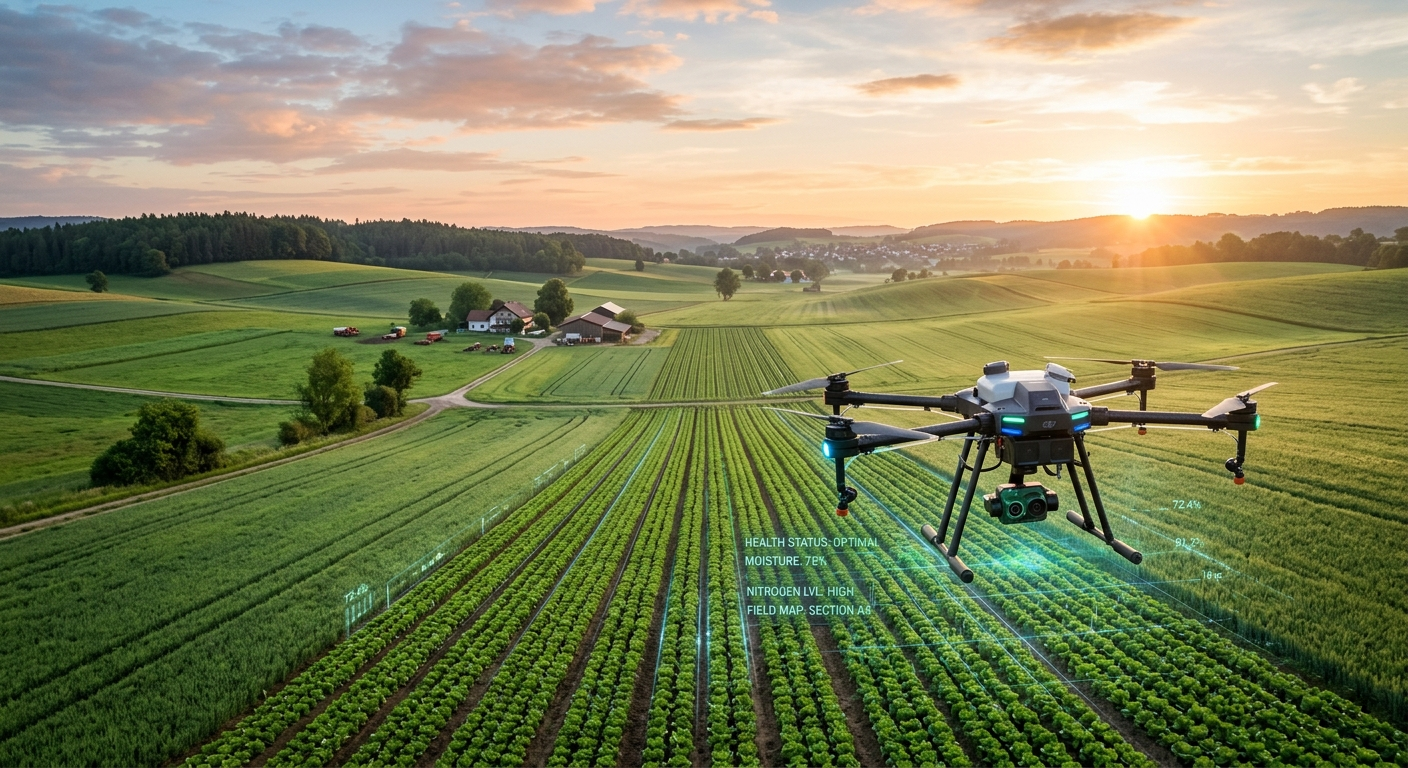
The dream of fully autonomous robot farms is still out there, but 2026 is the year of Pragmatic Robotics. We’re seeing smaller, affordable weeding robots and automated sprayers that work with people, not instead of them. They take over the back-breaking, repetitive tasks, letting us focus on the strategy and health of the land. - Regenerative Tech: Leaving the Land Better
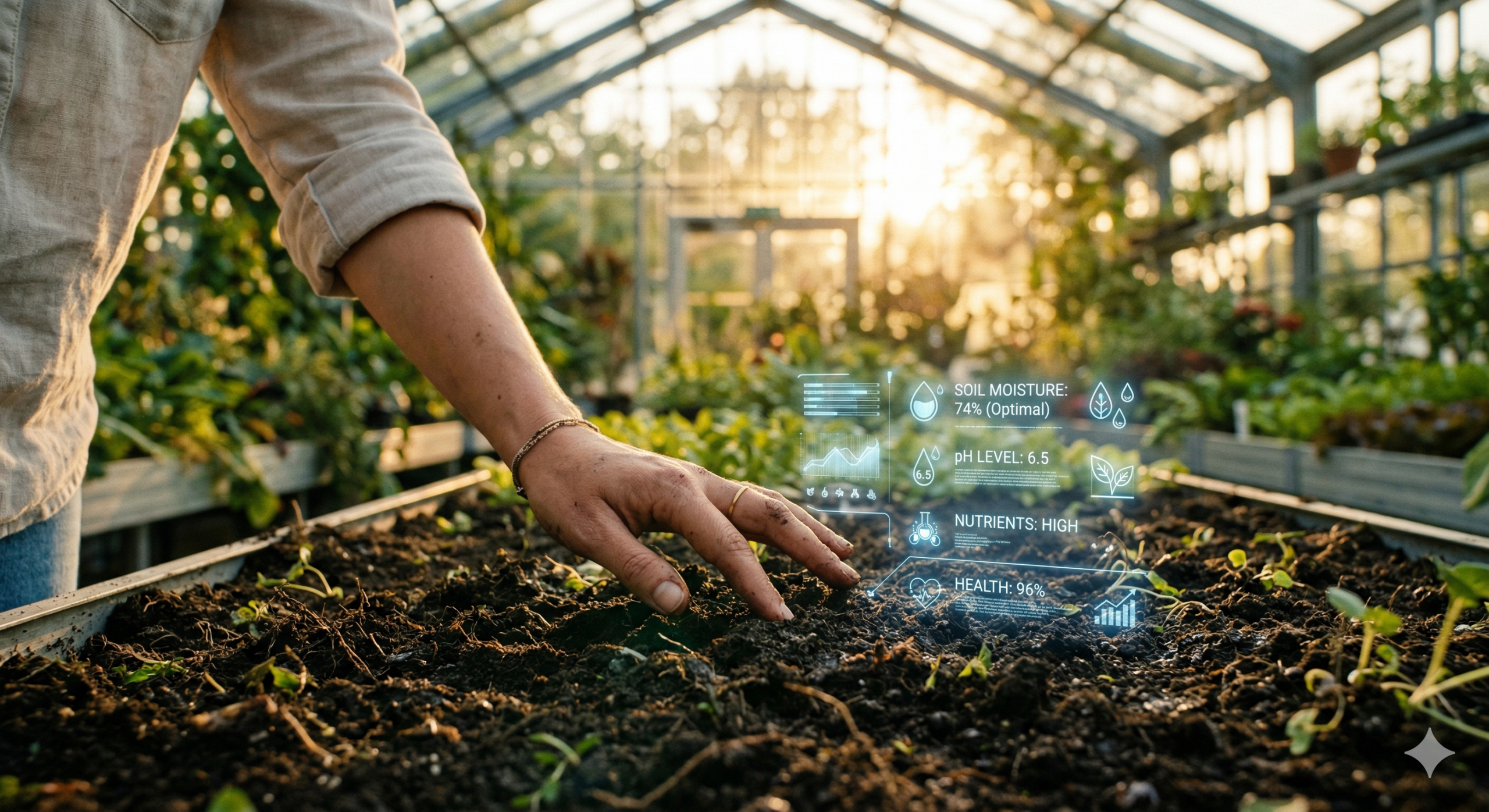
We are finally using high-tech to go “old-school.” Satellite monitoring and soil sensors are being used to track carbon sequestration and soil health in real-time. We aren’t just trying to squeeze every last drop out of the soil; we’re using data to heal it.
At TechSoilSociety, we believe that the most advanced technology in the world is useless if it doesn’t help a real person make a better living. The “Smart Farm” of 2026 isn’t a sci-fi movie—it’s a more resilient, more profitable way of life.
FAQ
Q: Is Agri-Tech only for large farms in 2026? Actually, 2026 is the year of the small grower. Modular sensors and “Software as a Service” (SaaS) models have made precision tools affordable. You can now start with a single soil sensor for less than the cost of a high-end smartphone.
Q: How does AI help with water scarcity? Smart irrigation systems now combine real-time soil data with satellite weather imagery. Instead of watering on a timer, the system only activates when the plant reaches a specific “stress point,” saving up to 40% more water than traditional methods.
Q: What is the biggest trend in 2026? Resilience. While we used to focus purely on “Yield” (growing more), the focus is now on “Survivability”—using tech to ensure crops can withstand extreme heat, floods, or new pests.