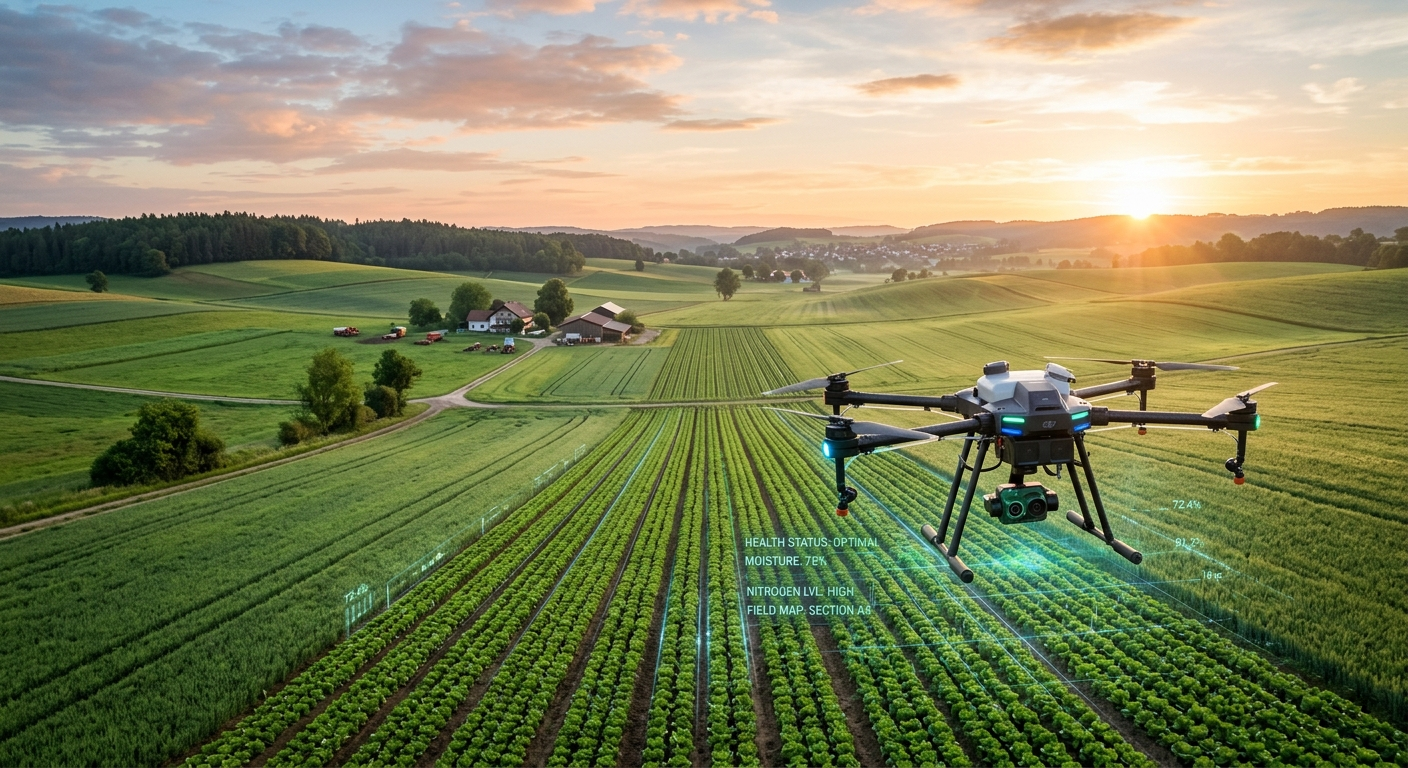





I’ll be honest—when I first heard the term “Smart Farming,” I imagined robots doing all the work while farmers sat on their porches. But after diving into the world of Agri-Tech, I’ve realized it’s the exact opposite. Technology isn’t replacing the farmer; it’s giving them “superpowers” to understand their land better than ever before.
In 2026, we’re moving past just “Big Data.” It’s no longer about having a dozen apps on your phone that you never check. It’s about Actionable Intelligence.
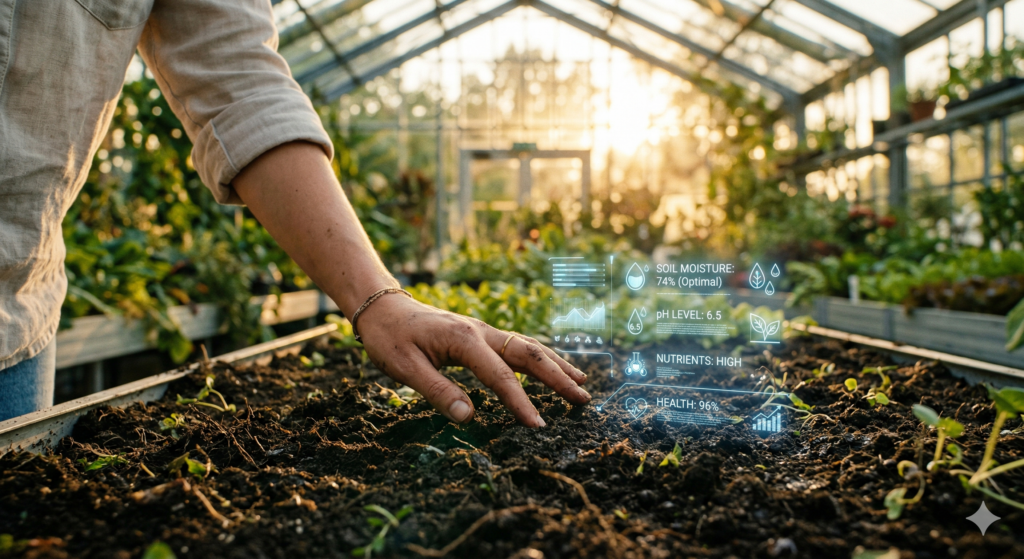
Why does this matter to you? Whether you have a massive field or a small sustainable backyard garden, the “Soil-to-Tech” connection is changing. We are now seeing AI that doesn’t just tell you the soil is dry—it predicts when it will be dry based on hyper-local weather patterns and tells you exactly how much water to save.
3 Things Every “Digital Farmer” Needs to Watch This Year:
-
AI Decision Partners: Forget complex dashboards. The new wave of AI acts like a co-pilot. You ask, “Which crop will survive this heatwave?” and it gives you a plan.
-
Modular Robotics: You don’t need a million-dollar tractor anymore. Small, affordable weeding robots are becoming the “smart appliances” of the field.
-
Resilience over Yield: In 2026, we aren’t just trying to grow more; we are trying to grow smarter to protect our soil for the next generation.
At TechSoilSociety, we believe the future of food is digital, but the heart of it will always be human. What’s your take? Are you ready to let an AI help you with your harvest, or do you prefer the old-school way
Common Questions: Understanding the 2026 Agri-Tech Shift
1. Is “Smart Farming” only for large-scale industrial farms? Not anymore. In 2026, we’ve seen a massive rise in modular tech. You don’t need a million-dollar setup to be a digital farmer. Even small-scale growers are now using affordable IoT sensors and smartphone apps to monitor soil health and automate irrigation. It’s about being efficient, regardless of your farm’s size.
2. How does AI actually help me save money? The biggest saving comes from Input Optimization. Instead of blanket-spraying your entire field with water or fertilizer, AI tells you exactly which “meter” of land needs it. On average, this “precision” approach is helping farmers cut resource waste by up to 30-40%.
3. Will robots eventually replace human farmers? I don’t believe so. The trend in 2026 is “Human-in-the-Loop” automation. This means robots handle the repetitive, back-breaking tasks—like weeding or consistent spraying—while the farmer stays in control as the “Director,” making the high-level strategic decisions that a machine simply can’t.
4. What is the first “Smart” tool I should invest in? I always recommend starting with Soil Intelligence. A simple set of connected soil moisture and nutrient sensors gives you the most “bang for your buck.” It’s the foundation of everything else; if you understand your soil, your crops have a much higher chance of thriving.