



The Dirty Fingernails of High-Tech: Why Agri-Tech Isn’t Just for Silicon Valley
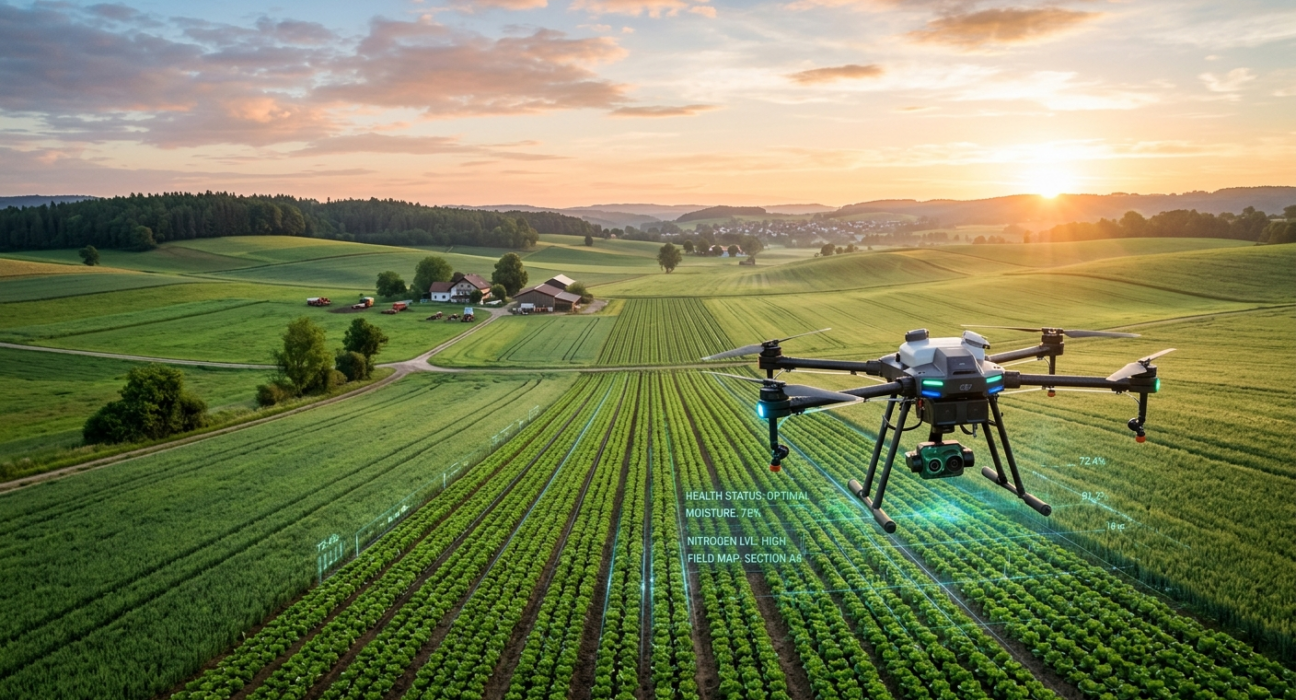
When we think of “technology,” our minds usually go straight to sleek glass buildings, glowing smartphone screens, or maybe a rocket heading to Mars. We don’t often think about a muddy field in the middle of July or the smell of rain on dry earth. But honestly? Some of the most exciting, life-changing tech on the planet right now isn’t happening in an office—it’s happening in the dirt.
For a long time, farming was seen as the “old fashioned” way of life. It was about intuition, luck, and a lot of back-breaking prayer that the weather would behave. And while the intuition of a seasoned farmer is irreplaceable, the “luck” part is finally getting a digital upgrade. This is what we call Agri-Tech, and it’s a lot more grounded than the name suggests.
It’s About Seeing What the Eye Misses
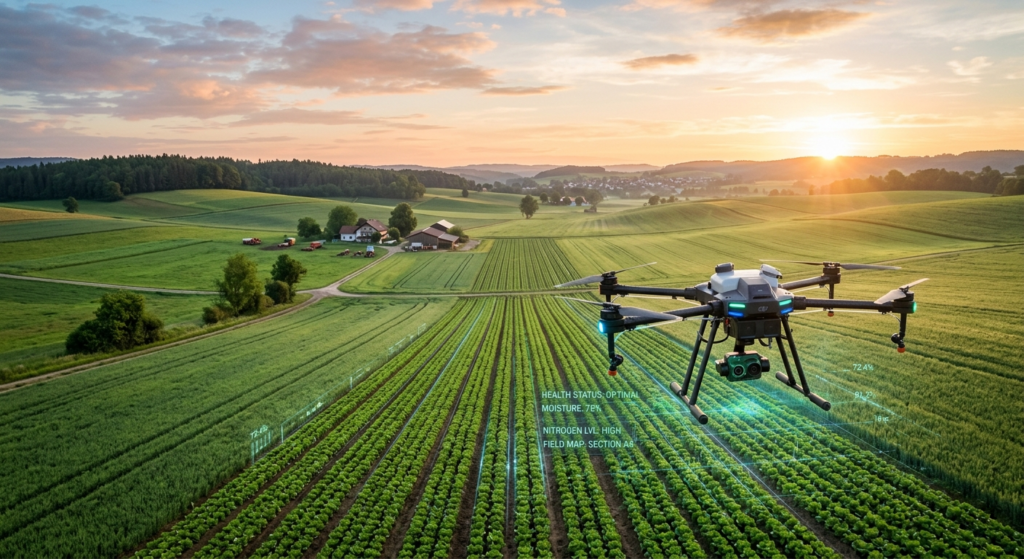
Think about a massive cornfield. To you or me walking past, it just looks like a sea of green. But to a farmer using a drone equipped with multispectral sensors, that field is a data map. They can see exactly which corner of the field is thirsty, which patch is being eyed by pests, and which rows need a little extra nitrogen.
Instead of spraying an entire 100-acre farm with chemicals “just in case,” tech allows them to target just the ten square feet that actually need it. It’s better for the soil, better for our water, and—let’s be real—better for the farmer’s wallet.
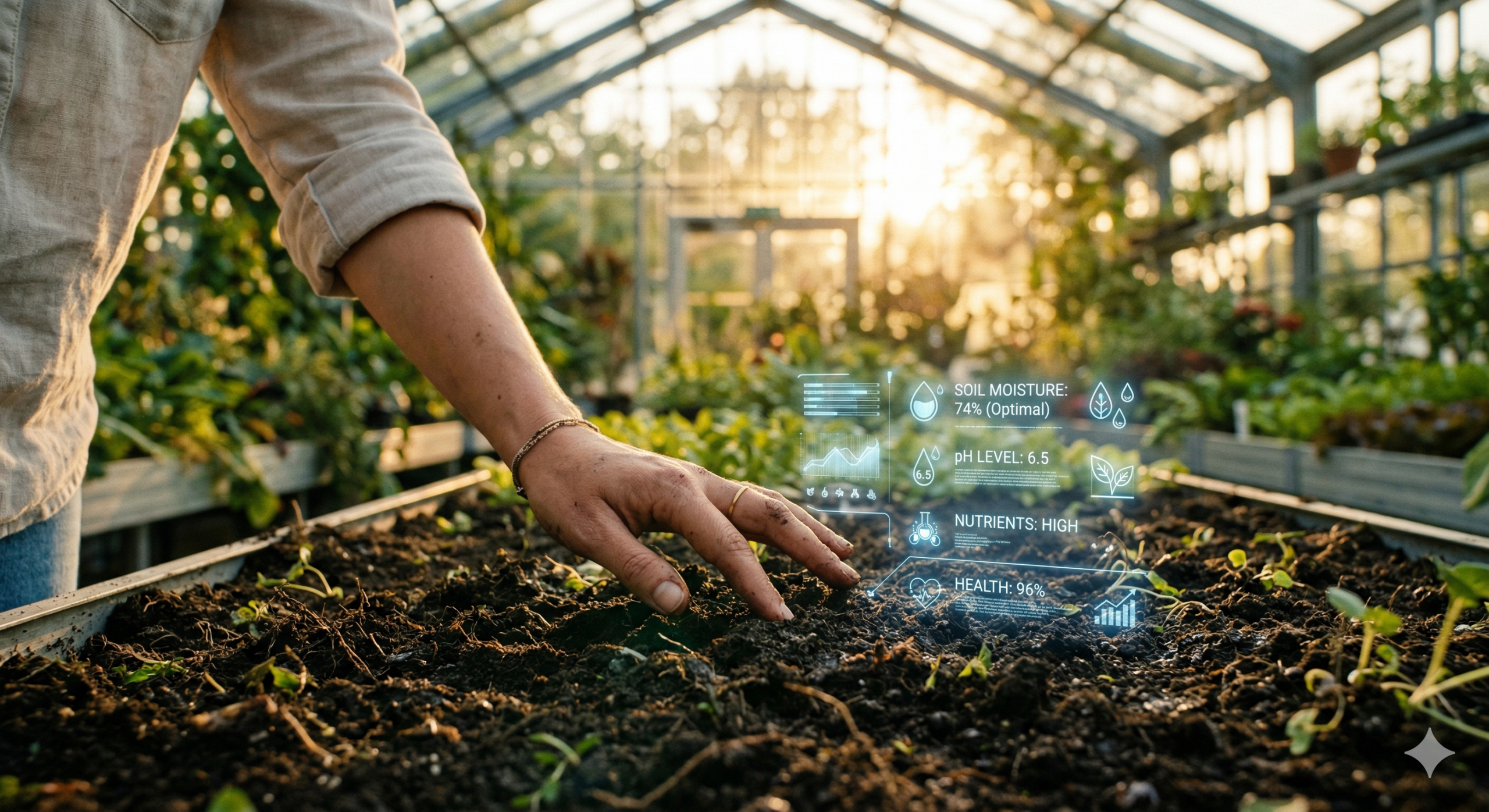
The “Smart” Greenhouse
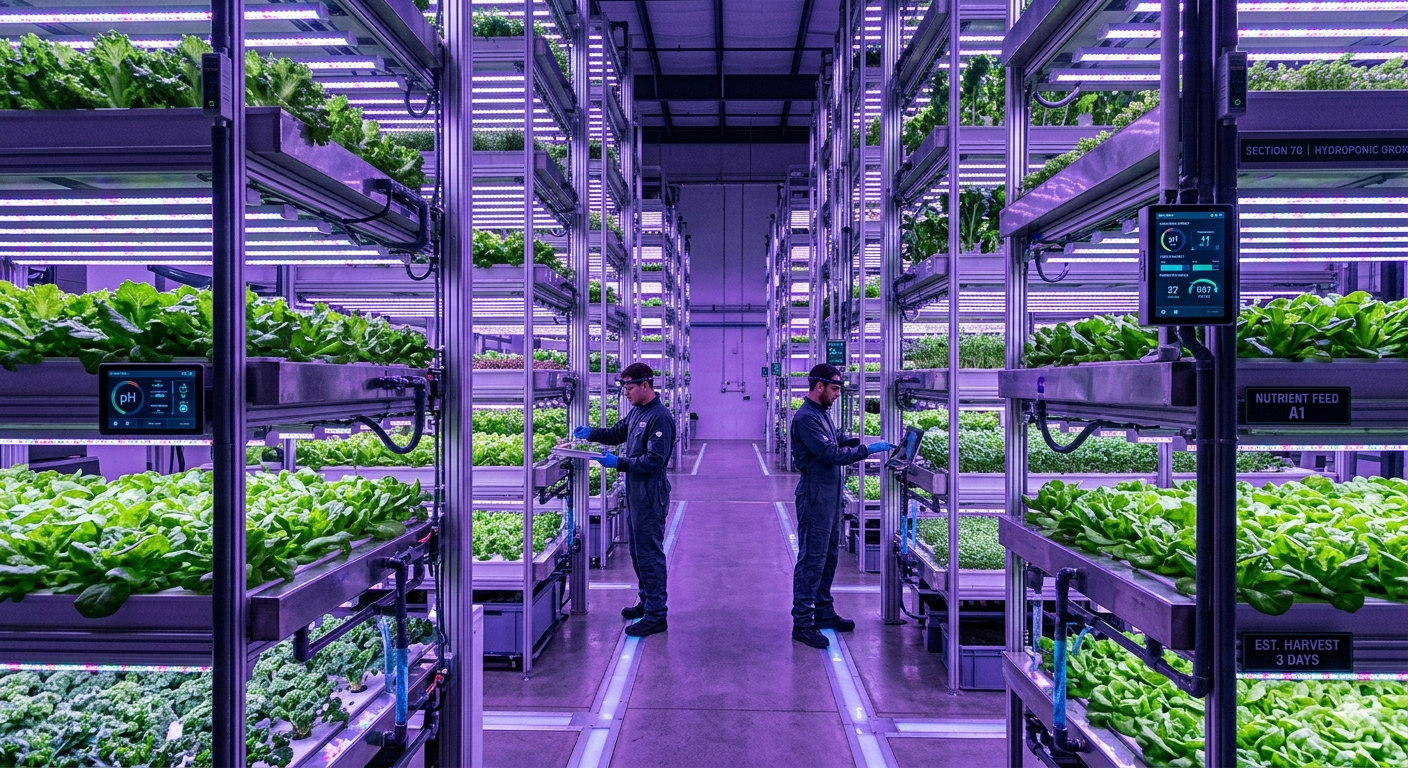
We’ve all heard of smart homes, but “smart farms” are taking it to the next level. We’re seeing indoor vertical farms where plants grow in nutrient-rich mist instead of soil, stacked high like library books. These places use LED lights that mimic the sun’s exact spectrum to make strawberries taste like summer even in the dead of January. It sounds like science fiction, but it’s how we’re going to feed cities as they get more crowded and the climate gets more unpredictable.
Why Should We Care?
You might be thinking, “I’m not a farmer, why does this matter to me?” It matters because every time you scan a QR code on a carton of milk to see exactly which farm it came from, or every time you buy a “perfect” avocado that was ripened using AI-controlled climate sensors during shipping, you are a part of this ecosystem.
Agri-Tech isn’t about replacing the farmer with a robot. It’s about giving the person who knows the land better than anyone else the tools to keep doing what they love in a world that’s changing fast. It’s about making sure that “Farm to Table” isn’t just a trendy marketing phrase, but a sustainable reality for the next century.
Next time you bite into a fresh apple, take a second to think about the satellites, sensors, and software that might have helped it get there. The future of food is high-tech, but its heart is still very much in the soil.
Frequently Asked Questions (FAQ)
1. Does Agri-Tech mean robots are taking over farms?
Not exactly. Think of Agri-Tech more like a “superpower” for farmers rather than a replacement. While there are automated tractors and picking robots, the goal is to handle the repetitive, back-breaking tasks so farmers can focus on the big-picture decisions. A robot can pick a strawberry, but it can’t decide the long-term strategy for a multi-generational family farm.
2. Is Agri-Tech expensive for small farmers?
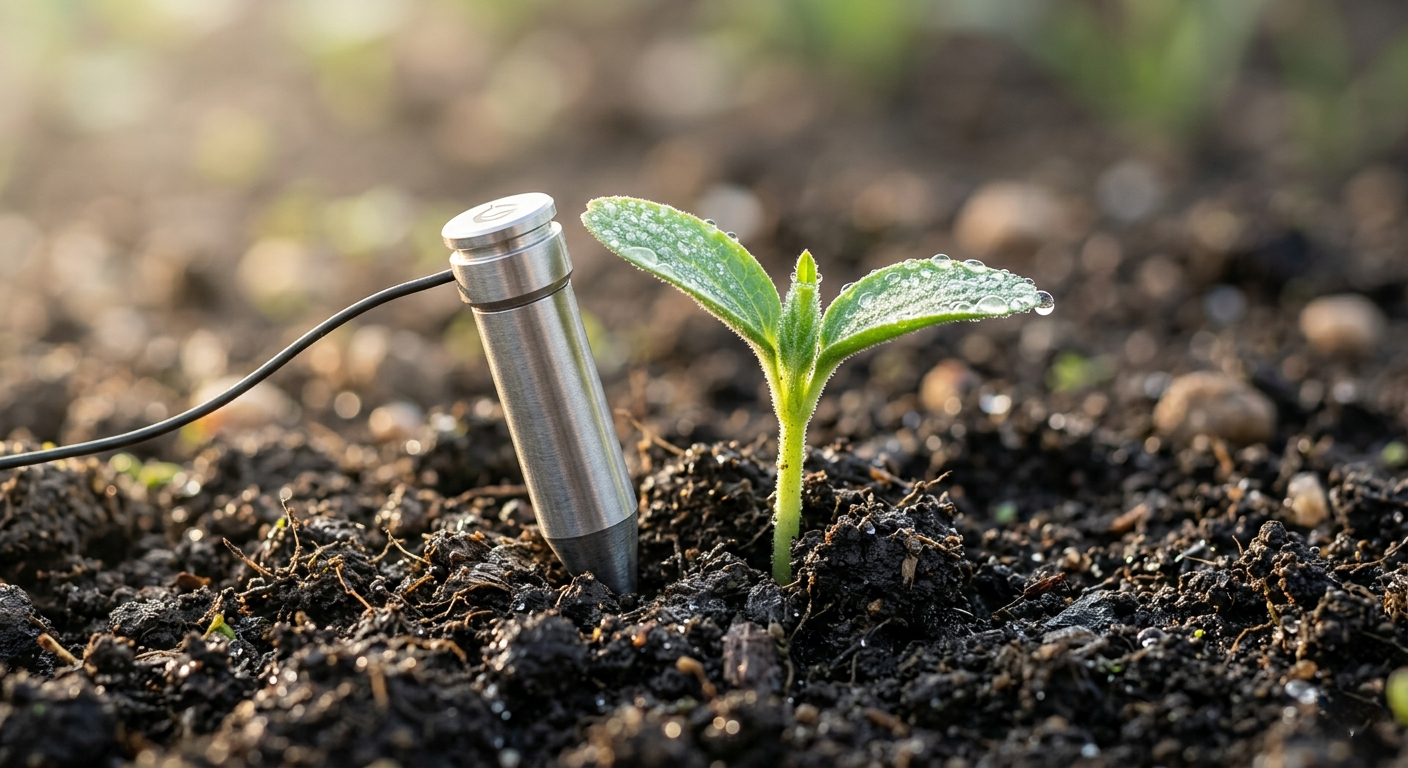
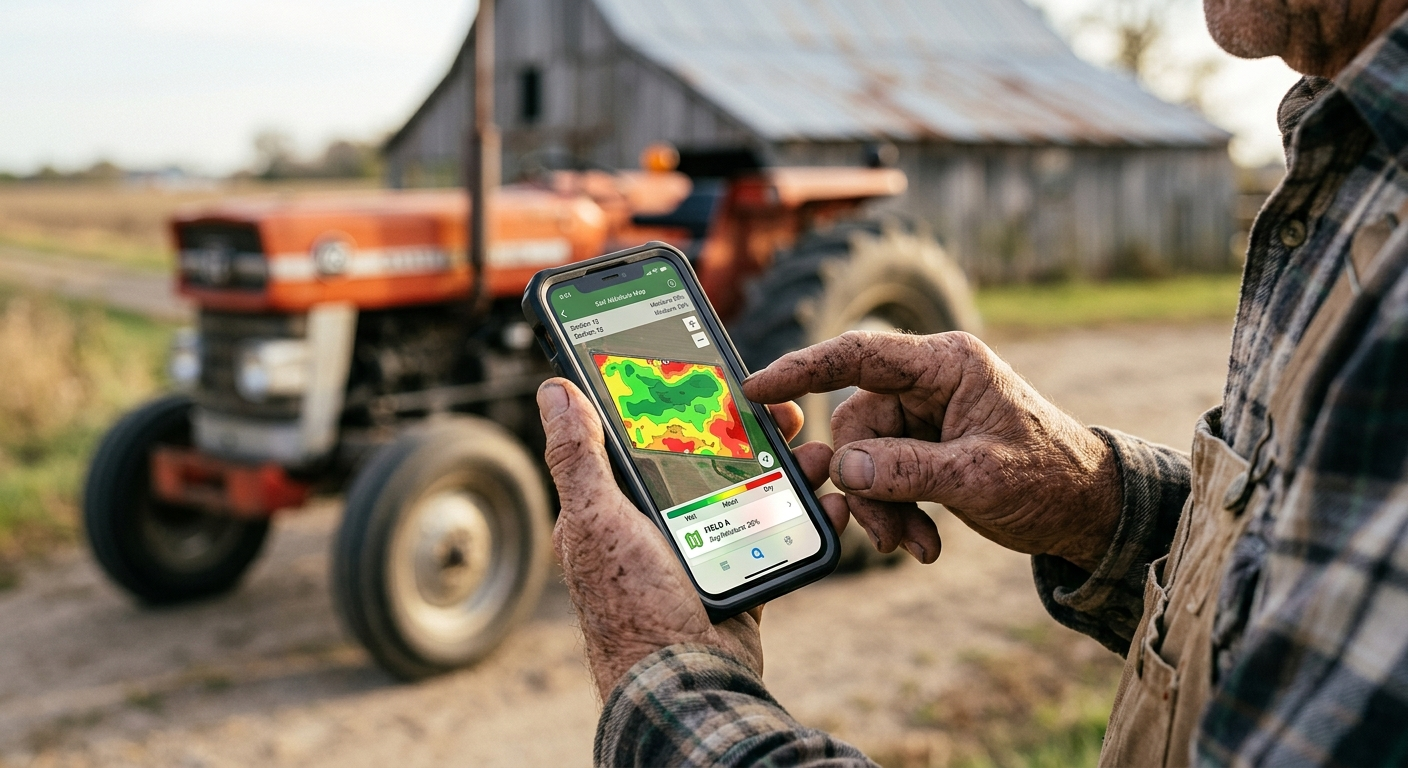
It used to be, but that’s changing fast. While a high-end satellite system costs a fortune, many new apps and sensors are becoming very affordable. Even a simple soil sensor connected to a smartphone can save a small-scale farmer thousands in water and fertilizer costs. The “tech” is becoming as common as a pair of work boots.
3. Does “High-Tech” food taste different?
If anything, it often tastes better! Technology like vertical farming or precision irrigation allows plants to get the exact “diet” they need to develop full flavor. Plus, because some of this tech allows food to be grown closer to cities (like in indoor urban farms), the produce is fresher because it hasn’t spent a week in the back of a refrigerated truck.
4. Is this better for the environment?
Absolutely. This is actually one of the biggest wins for Agri-Tech. When we use sensors to target exactly where water or medicine is needed, we stop over-spraying and wasting resources. It leads to healthier soil, cleaner runoff into our rivers, and a much smaller carbon footprint for the food on your plate.